

Tire Pyrolysis
Continuous thermal processing of end-of-life tires into recoverable resources.
What it is
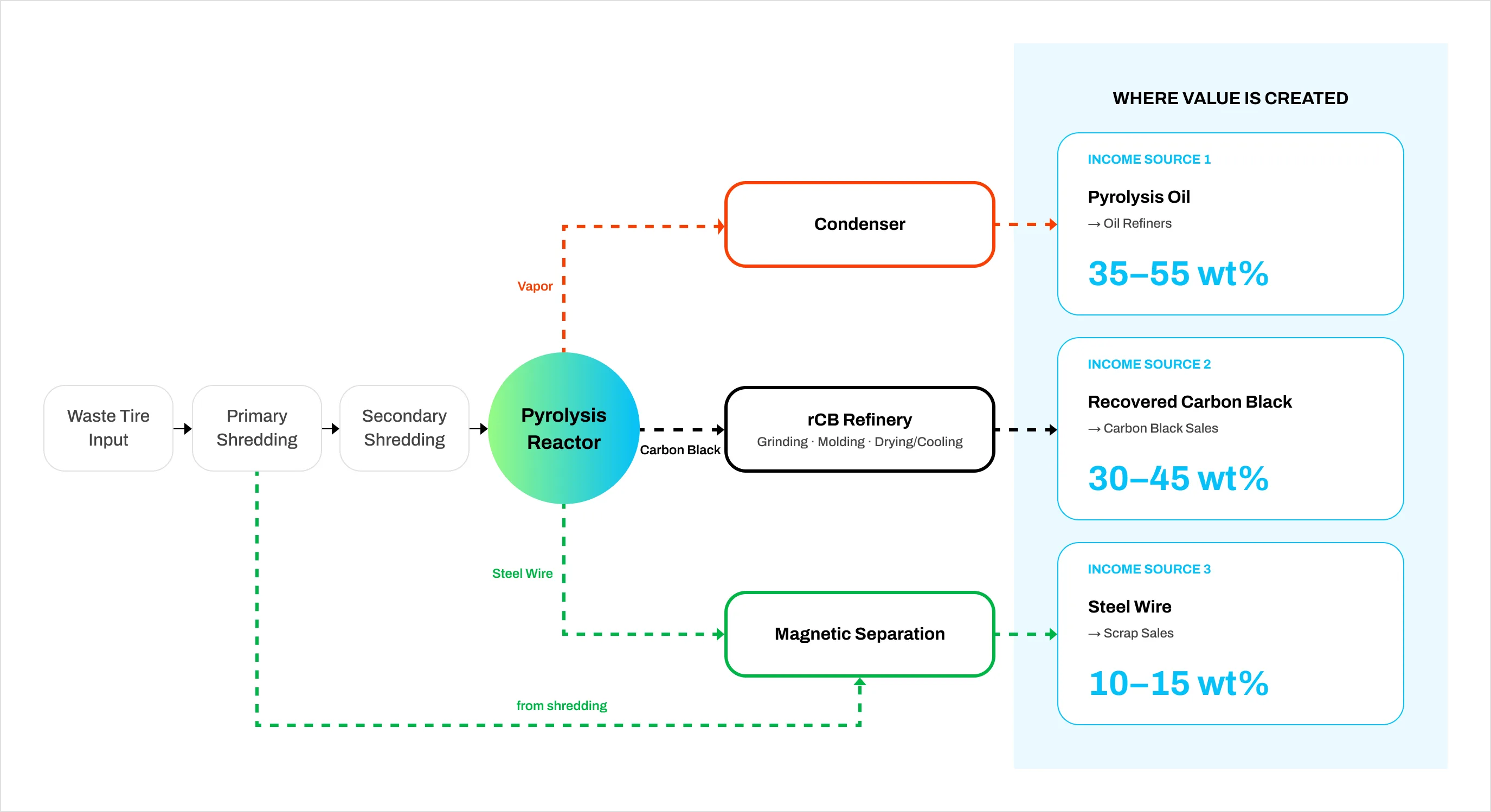
Gangjin's tire pyrolysis system thermally decomposes End-of-Life Tires (ELTs) in an oxygen-free reactor at 400–600°C. Through continuous processing, waste tires are converted into four commercially valuable resources — pyrolysis oil, carbon char, steel wire, and non-condensable gas — with the raw char further upgraded into commercial-grade recovered carbon black through our downstream rCB Refinery System.
Oxygen-Free Processing
450 – 600°C
Reactor Heating from Recovered NCG
~60 – 70%
Recoverable Products
4
Plant Capacity Range
6,000 – 80,000t/year
Process Flow

ELT Feed
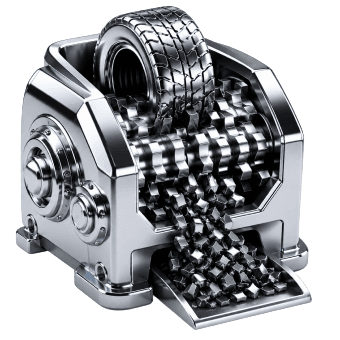
Shredding
(Primary/Secondary, site-dependent)
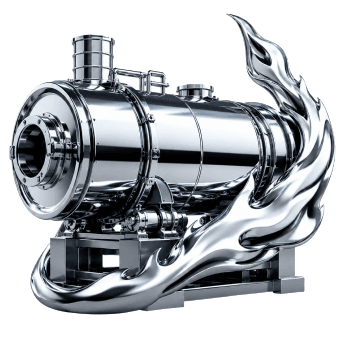
Pyrolysis Reactor
(450–600°C,
oxygen-free)
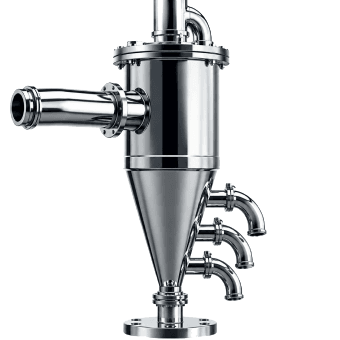
Product Separation
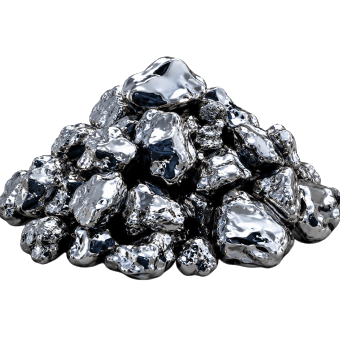
Raw Char

rCB Refinery
Commercial rCB
Process Diagram
Co-Products
| Deliverables | Ratio(Range) | Explanation |
|---|---|---|
| Pyrolysis Oil (TPO) | 35–55 wt% | Industrial fuel or refinery feedstock; high calorific value (~40–42 MJ/kg) |
| Raw Char | 30–45 wt% | Upgraded to commercial rCB through Gangjin's refinery system — core value-add product |
| Steel Wire | 10–15 wt% | Recovered clean ferrous scrap — sold directly to steel mills |
| Non-Condensable Gas (NCG) | 5–15 wt% | Recycled on-site as reactor fuel — not sold |
Typical yield ranges — actual output varies by feedstock composition, moisture, and operating conditions.
Technology & Engineering
Paddle-Type Continuous Reactor
GANGJIN’s proprietary paddle-type reactor is designed to promote uniform material transport and heat transfer throughout the reaction zone, supporting efficient and stable continuous operation.
Multi-Barrier Oxygen Sealing
A plug-screw sealing system prevents oxygen ingress into the reactor, protecting oil quality and operational safety. Additional sealing stages can be applied — in double or triple configuration — to meet site-specific requirements.
Water-Jacketed Continuous Discharge
Jacketed discharge conveyors continuously cool and extract solid char, improving handling safety and downstream rCB quality.
NCG Energy Recovery System
External LPG or LNG is required during start-up. As the reactor reaches operating temperature, recovered NCG supplies 60–70% of its heating demand and can ultimately sustain reactor heating without additional external fuel. Water-seal safety tanks prevent burner backfire, while excess gas is safely routed to a thermal oxidizer / RTO.